The Importance of Follow-Up Care After Gum Disease Treatment
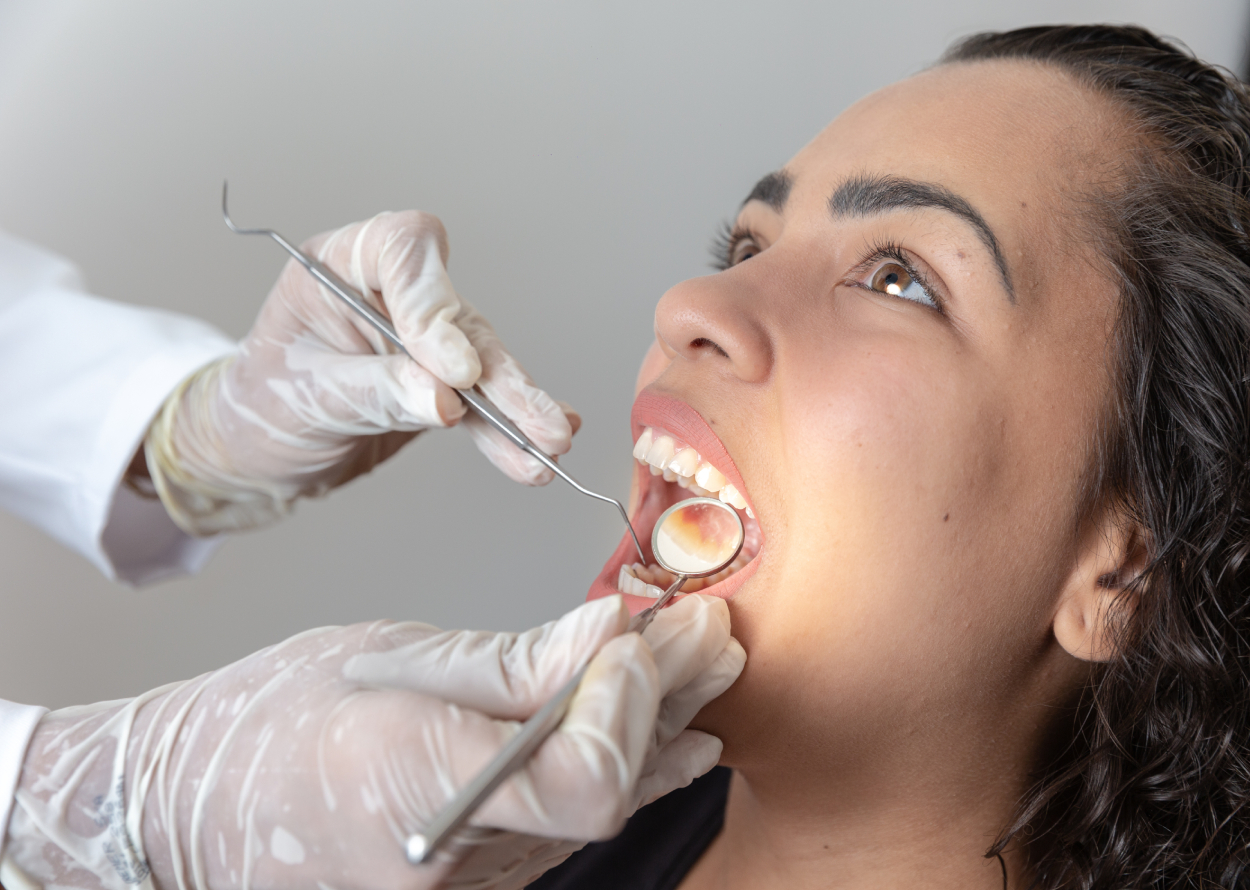

Gum disease rarely ends with a single appointment. That is one of the most important facts patients learn after treatment, and it is often the difference between a stable, healthy mouth and a frustrating cycle of relapse. Whether someone has received a deep cleaning, scaling and root planing, localized antibiotic therapy, laser-assisted care, or surgical treatment, the work does not stop when the gums look better or the soreness fades. Follow-up care is where healing is measured, home habits are refined, and small problems are caught before they become expensive ones.
This matters because gum disease is not like a cavity that can be filled and checked off the list. Periodontal disease is an inflammatory condition influenced by bacteria, oral hygiene, bite forces, smoking, medications, genetics, diabetes, stress, and the shape of the teeth and gums themselves. It can quiet down, and that is the goal, but it can also return if the conditions that caused it are still present. A patient may feel fine and still have active pockets, bleeding points, or bone loss progressing slowly enough to stay unnoticed.
That is why every well-planned course of Gum Disease Treatment includes follow-up. The treatment phase reduces infection and inflammation. The follow-up phase protects that improvement.
What gum disease treatment actually changes, and what it does not
When a patient undergoes treatment for gum disease, the immediate goal is to lower the bacterial load below the gumline and allow inflamed tissue to recover. Swelling often decreases, bleeding improves, breath can become fresher, and tenderness fades. In many cases, the gum tissue tightens around the teeth and pocket depths shrink. These are meaningful improvements, but they do not mean the mouth has become maintenance-free.
A useful way to think about periodontal treatment is to compare it to stabilizing a chronic condition rather than erasing it. If someone has already lost supporting bone around teeth, treatment cannot always rebuild what has been lost. What it can do is stop or slow further destruction. That distinction matters. Patients who expect a permanent fix after one round of care are often disappointed, not because treatment failed, but because the disease process demands ongoing management.
A common scenario in practice goes like this: a patient finishes deep cleaning, feels dramatically better within a few weeks, and assumes routine six-month cleanings will be enough forever. Then, a year later, one or two deeper pockets return, often in hard-to-clean molar areas. The patient is confused because there was no pain. The explanation is simple. Gum disease can progress quietly, and without periodic reassessment, subtle setbacks are easy to miss.
The first follow-up visit sets the tone for healing
The earliest post-treatment visit is more than a quick look. It is the first real checkpoint. At that appointment, the dental team usually evaluates how the gums responded, whether bleeding has decreased, how the patient is cleaning at home, and whether any areas remain stubbornly inflamed. Pocket measurements may be repeated in selected areas, and the clinician will compare the tissue response to the starting condition.
Timing matters. If reevaluation happens too soon, the tissue may still be healing and not reflect the final response. If it happens too late, lingering infection may continue doing damage. Most offices schedule this based on the type and severity of treatment, often in the range of several weeks, but the exact interval depends on the patient. Someone with generalized moderate disease may need a different schedule than someone who had isolated deep pockets around a few back teeth.
This visit is also where small practical adjustments make a large difference. A patient may be brushing well but missing the tongue side of lower molars. Another may be forcing floss into tight contacts and irritating the tissue. A third may need interdental brushes instead of string floss because the spaces between teeth have changed after inflammation subsided. These details are not minor. They are the mechanics of prevention.
Why maintenance visits are not “just cleanings”
One of the biggest misunderstandings in dentistry is the idea that periodontal maintenance is simply a more expensive version of a regular cleaning. It is not. A routine preventive cleaning is intended for a mouth that is generally healthy, with minimal buildup and no active periodontal disease requiring close monitoring. Periodontal maintenance is designed for a patient with a history of gum disease, where relapse risk remains higher even after successful treatment.
During maintenance, the focus is broader and more targeted. The clinician is not only removing plaque and calculus but also checking for recurring pocketing, tissue bleeding, recession, furcation involvement around molars, mobility, and changes in bite forces or restorations that may trap bacteria. Radiographs may be updated when needed to assess bone levels. Home care is reviewed with more specificity because the margin for neglect is smaller once support around the teeth has already been compromised.
Many patients do best on a three- to four-month maintenance interval after Gum Disease Treatment, at least for a period of time. That schedule is not arbitrary. Bacterial recolonization below the gumline can occur relatively quickly, and some patients simply cannot keep deeper areas stable for six months without professional help. Others, especially those with excellent home care and mild disease history, may eventually tolerate longer intervals. The right schedule is based on evidence from the mouth in front of the clinician, not on habit or convenience.
The signs that only show up when someone looks closely
Patients often expect gum disease to announce itself with pain, obvious swelling, or loose teeth. Advanced cases can certainly produce those symptoms, but earlier recurrence is usually quieter. Follow-up care works because it catches changes before they become dramatic.
Bleeding on probing is one of the earliest useful indicators that inflammation is still present. It may not be visible to the patient at home, especially if they have adapted their brushing to avoid tender areas. Pocket depths that stay the same in one area but deepen in another can signal persistent bacterial activity or a cleaning challenge tied to anatomy. Recession may reveal that inflammation has dropped but also expose root surfaces to sensitivity and decay risk. A newly rough crown margin or a filling that overhangs slightly can create a bacterial trap that did not exist during the first round of treatment.
These are not things most people can detect in the mirror. That is precisely the value of follow-up. It turns hidden changes into actionable information.
Home care after treatment needs to evolve
Patients are often surprised to learn that the brushing and flossing routine they used before treatment may not be enough after treatment. Once inflammation decreases, the landscape of the mouth can change. Swollen gums shrink. Spaces may open slightly. Areas that used to bleed heavily may now tolerate better cleaning. Some roots become exposed and more sensitive. A technique that once felt acceptable can become either ineffective or too aggressive.
This is where individualized coaching matters. A soft electric toothbrush may help one patient clean more thoroughly with less pressure. Another may need interdental brushes in multiple sizes because the front teeth and molars require different approaches. Someone with dexterity issues may do better with a water flosser as an adjunct, though rarely as a complete substitute for mechanical plaque disruption. Chlorhexidine or other antimicrobial rinses may be useful for short periods in select cases, but they are not a forever solution, and overuse can have drawbacks such as staining or altered taste.
The best follow-up visits do not just tell patients to “brush better.” They show exactly where plaque is remaining and why. That practical specificity is what changes outcomes.
Systemic health and gum health are tied together
Gum disease does not live in isolation from the rest of the body. Follow-up care is often where this becomes most visible. A patient whose periodontal response seemed slower than expected may turn out to have poorly controlled diabetes. Another may start a medication that causes dry mouth, increasing plaque retention and irritation. A smoker who cut down but did not quit may have gums that look deceptively less inflamed than they actually are, masking disease activity.
Pregnancy, autoimmune conditions, hormonal changes, and certain cardiovascular medications can all affect the gums and the way tissue responds to treatment. Stress matters too. It often shows up indirectly through grinding, inconsistent home care, disrupted sleep, or immune effects that make inflammation harder to control.
In a well-managed periodontal follow-up program, these factors are not treated as side notes. They are part of the care plan. Sometimes the most helpful advice a dentist gives after Gum Disease Treatment is not about floss at all, but about coordinating with a physician, improving diabetes management, quitting nicotine, or addressing nighttime clenching with a protective appliance.
The cost of skipping follow-up is usually higher than patients expect
From a patient’s perspective, it can be tempting to postpone maintenance once the immediate discomfort is gone. Life gets busy. Budgets tighten. The mouth feels normal. Yet the cost of neglect is often larger than the cost of continued care, both financially and biologically.
When gum disease returns unchecked, the next phase of treatment is rarely simpler than the first. Recurrent inflammation can mean repeated deep cleanings, localized surgery, more frequent visits, or the eventual loss of teeth that once seemed stable. Replacing missing teeth with bridges, implants, or removable prosthetics is almost always more involved and more expensive than preserving natural teeth through maintenance.
There is also the quality-of-life cost. Patients who have lost back teeth because periodontal disease quietly progressed often describe a gradual shift they did not appreciate at first. Chewing becomes less comfortable. Food choices narrow. Opposing teeth drift. Front teeth may carry more force and become more vulnerable. None of this happens overnight, which is why consistent follow-up is so valuable. It protects the ordinary function people tend to take for granted.
What a strong follow-up plan usually includes
The most effective follow-up plans are specific, not generic. They are built around disease severity, anatomy, risk factors, and the patient’s ability to maintain home care consistently. A solid plan often includes:
- A scheduled reevaluation after initial treatment to measure healing and residual pocketing.
- Periodontal maintenance at intervals tailored to risk, often every three to four months at first.
- Targeted home care instructions based on the patient’s actual trouble spots.
- Monitoring of systemic and lifestyle factors such as smoking, diabetes, dry mouth, and clenching.
- Escalation when needed, which may mean localized retreatment or referral to a periodontist.
Even when these elements are straightforward, they should not feel cookie-cutter. A retired patient with excellent dexterity, low stress, and controlled health conditions may stabilize quickly. A younger patient with crowded teeth, a smoking history, and inconsistent oral hygiene may need closer supervision even if the disease initially appears milder.
Follow-up care is especially important after advanced disease
Mild gingivitis can often improve dramatically with treatment and better home care. Advanced periodontitis is different. Once deeper pockets, bone loss, furcations, tooth mobility, or gum recession are involved, follow-up becomes even more critical because the mouth is simply less https://pastelink.net/5anyakx2 forgiving.
Molars are a good example. Their roots can have furcation areas, places where the roots divide, and these spaces are notoriously difficult to clean once support is lost. Even a motivated patient may struggle to keep them stable without professional maintenance and periodic reinforcement of technique. Similarly, lower front teeth can accumulate tartar quickly because of nearby salivary glands, making relapse more likely if visits are delayed too long.
Patients who have had periodontal surgery also benefit from careful monitoring. Surgical treatment can reduce pockets and improve access, but it does not remove the need for maintenance. In fact, the success of many periodontal procedures depends heavily on what happens in the months and years afterward.
Local experience matters when choosing ongoing care
For patients seeking Gum Disease Treatment in Ventura, one practical consideration is continuity. Follow-up works best when the same office or closely coordinated providers can compare current findings to baseline records, pocket charts, radiographs, and prior tissue response. Dentistry is full of small details that become meaningful over time. A 5 millimeter pocket may not sound alarming by itself, but if it was 7 millimeters before treatment and has stayed stable without bleeding, that tells a very different story than a site that was 3 millimeters six months ago and is now worsening.
A provider familiar with the local patient population also tends to understand common patterns, whether that means dry mouth linked to certain medications in older adults, tobacco habits in specific groups, or the practical barriers patients face in keeping regular visits. Good follow-up care is clinical, but it is also logistical. It depends on systems that help patients return at the right intervals and know what to watch for between appointments.
When to call sooner rather than later
Maintenance visits are scheduled in advance, but there are times when waiting is not wise. Patients should reach out if they notice persistent bleeding in one area, a bad taste that keeps returning, localized swelling, gum tenderness that lasts more than a few days, increased tooth mobility, a space opening between teeth, or a spot that traps food suddenly when it did not before. These changes do not always signal major relapse, but they deserve attention.
One pattern seen fairly often is the patient who says, “It only bleeds around that one tooth.” That single-tooth complaint can be caused by many things, from trapped tartar to a rough restoration margin to a vertical fracture. The point is not to guess at home. The point is to have it assessed while the problem is still limited.
The long view: preservation, not perfection
People sometimes hear “periodontal maintenance” and picture an endless cycle of appointments with no finish line. A better way to frame it is preservation. The objective is not a perfect mouth frozen in time. It is a stable, comfortable, functional mouth that can be maintained over decades.
That long view tends to change how patients feel about follow-up. Instead of seeing visits as a reminder that something went wrong, they begin to see them as the reason treatment worked. The office is not merely cleaning teeth. It is tracking a chronic condition, protecting bone support, and helping natural teeth last longer.
That perspective becomes especially powerful after a patient has already experienced the early stages of gum disease progression. Once someone has watched bleeding stop, breath improve, and tenderness resolve after proper care, the value of maintaining those gains becomes obvious. Most people do not want to repeat the treatment phase if they can avoid it. Follow-up is how they often do.
A partnership that determines the outcome
Successful care after gum disease treatment is a partnership between patient and clinician. The dental team can remove deposits, measure changes, and recommend the right maintenance interval. The patient controls the daily environment where gum disease either stays quiet or begins to reappear. Neither side can do the whole job alone.
That is why the most successful cases are rarely the ones with the most aggressive treatment. They are the ones with the best follow-through. A patient who keeps maintenance visits, adapts home care when needed, addresses smoking or blood sugar issues, and pays attention to small changes often does better over the long term than someone who undergoes extensive treatment but disappears afterward.
Gum disease is manageable, often very successfully, but it respects consistency. The initial treatment may stop the immediate damage. Follow-up care is what protects the result.
Avra Dental
Address: 1708 S Victoria Ave B, Ventura, CA 93003
Phone number: (805) 941-1001
FAQ About Gum Disease Treatment in Ventura
How to improve gum health quickly?
To improve gum health quickly, eliminate plaque buildup by brushing for two full minutes twice a day at a 45-degree angle to the gumline. Floss daily to clean under the gumline, and rinse with an antimicrobial, alcohol-free mouthwash. For immediate relief of soreness, use a warm saltwater rinse.
What is the fastest way to cure gum disease?
To quickly cure early-stage gum disease (gingivitis), eliminate the plaque buildup causing the inflammation. Brush gently but thoroughly for two minutes twice daily, floss daily, and use an antibacterial mouthwash or a warm saltwater rinse. However, if tartar has hardened, professional treatment is necessary.
How do I treat my gum disease at home?
You can treat early gum disease at home by practicing strict daily oral hygiene, rinsing with salt water or antibacterial mouthwash, and quitting smoking. True gum disease (especially advanced forms like periodontitis) cannot be fully cured at home once tartar forms, and you must see a dentist for professional cleanings.